ProductsGlyph Lens·the diagnostic interface
Results that arrive signed
A diagnostic center on a district-town main road has a working X-ray machine, a busy sample counter, and no radiologist. Films are read in batches when a Dhaka consultant reviews them remotely, or weekly, or, in the worst version of the story, the center prints a report over the name of a physician who never saw the image. The technologist who took the film has done this work for eleven years and can often see the tuberculosis himself. His seeing counts for nothing, because no system exists in which it can be captured, assisted, verified, and signed.
Diagnostic centres · Radiologists · Technologists
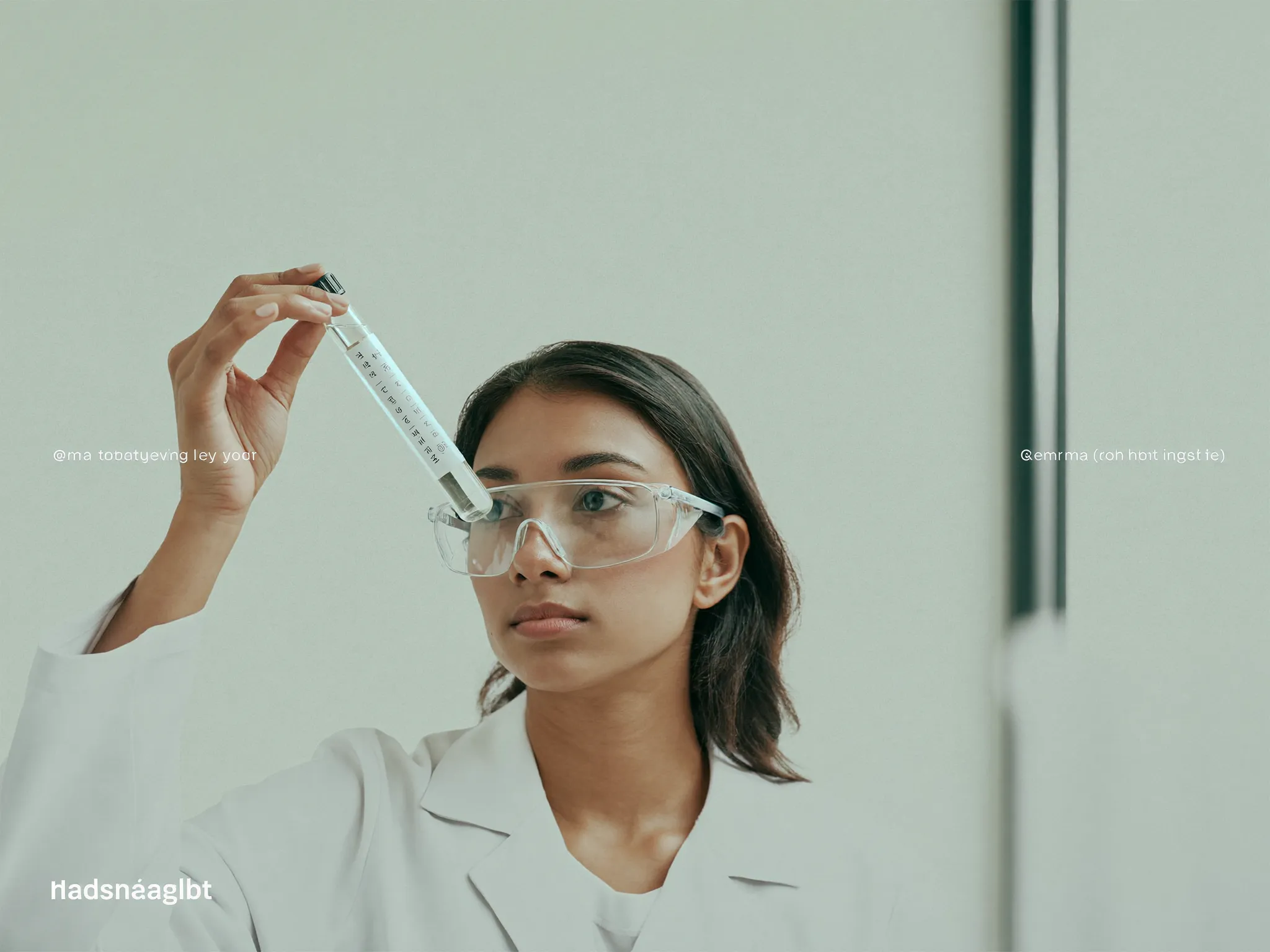
Glyph Lens · the diagnostic interface
01
The evidence
Bangladesh has roughly 700 radiologists for more than 170 million people, about four per million, overwhelmingly concentrated in Dhaka. Patients outside the capital wait days to weeks for imaging reports, with delayed cancer diagnosis named explicitly by the professional society.
The reports themselves cannot always be trusted. DGHS's 2022 crackdown closed 1,149 illegal facilities in its first days. Sector reporting describes roughly half of diagnostic centers operating without valid licenses, some using the names of physicians without their knowledge. And the country has already run the experiment of what happens when reports lose credibility: during COVID, after a fake-certificate scandal, national daily testing nearly halved because the public stopped believing results.
The regulator has already reached for verification with the only tool it had: a 2022 directive ordering every facility to display a QR code on its signboard. Lens is that instinct implemented properly. Not a sign on the wall. A cryptographic signature on every report.
02
What Lens does
Orders arrive from Chamber as structured data: test, clinical context, the ordering physician's signed credential. Results leave as Verifiable Credentials signed by the center and by the verifying professional, landing in the patient's wallet with reference ranges, abnormal flags, and provenance. The ghost-signed report dies at participating centers, because a report over a radiologist's name now requires that radiologist's actual key. And last year's HbA1c is findable, trendable, and trusted, so the duplicate-test economy shrinks for exactly the patients who can least afford it.
The heart of Lens is co-interpretation. The eleven-year technologist gets KhaM-Med as a second reader: a draft observation, not a diagnosis, flagging likely findings and urgency. The draft routes to a remote radiologist for verification and signature. The scarce specialist's hour is spent confirming structured drafts across many centers instead of reading cold films for one. The four-per-million radiologist supply is multiplied rather than bypassed, and a licensed human still signs every report.
A report is only worth what its signature is worth.
03
Economics
Lens charges the center: per-report fees of Tk 50 to 100 or subscriptions of Tk 15,000 to 25,000 per month by volume. The center's return is concrete. Faster reporting attracts ordering doctors, co-interpretation raises throughput on existing machines, and in a market that publicly lost trust once, the verifiable report is a competitive weapon. Verifying a report is free for everyone, forever, for the same reason Pharmacy is free: verification density is the public good.
04
Where it stands
Lens inherits more of the current build than any other interface: the extraction prompts for local lab formats, multimodal routing, and the results schema all exist. The center-facing workflow and the draft-verify-sign loop are designed but unbuilt. Vision-model performance will be measured on Bangladeshi films from real machines before urgency-flagging is trusted, and the results published. The first pilot pairs one district-town center with two or three remote radiologists and the local Chamber doctors already ordering from it.